

Research · since 2018
Episodic memory and continual few-shot learning
How does a fast hippocampal learner beside a slow neocortical one let a system learn specific instances in one shot without forgetting?
How we got here
- 2018Request for Research published with WBAI: Improving Memory with a Hippocampal Model Read the brief ↗
- 2019
- 2020Request for Research published with WBAI: Improving episodic memory with disentangled representations Read the brief ↗
- 2021Mohit Gupta, Masters · Monash disentangled representationsAbout Mohit’s project →
- 2022Abdelrahman Ahmed, PhD · UNSW hippocampal episodic memory for continual learningAbout Abdelrahman’s project →
- 2024
Project notes
Hippocampal model for structural and temporal generalization (2021-2022)
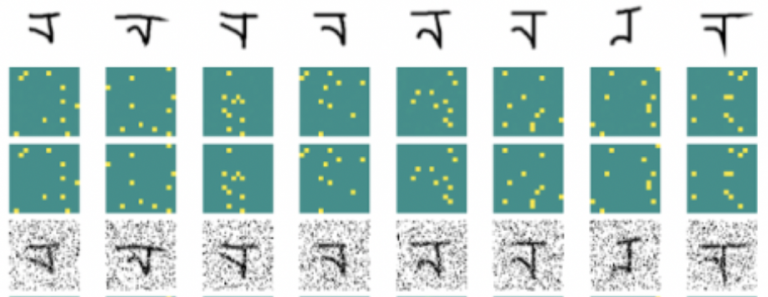
The interaction between hippocampus and frontal cortex is a crucial ingredient for animal cognition. It underpins our ability to learn from one experience, and immediately generalise both structurally and temporally. In this project we extend our previous AHA model with elements of Schapiro’s model to develop a model that can learn specifics fast, and perform both structural and temporal generalization. We are writing it up now (Sep 2022).
Continual Few-Shot Learning of Episodes in Time (2020-2022)
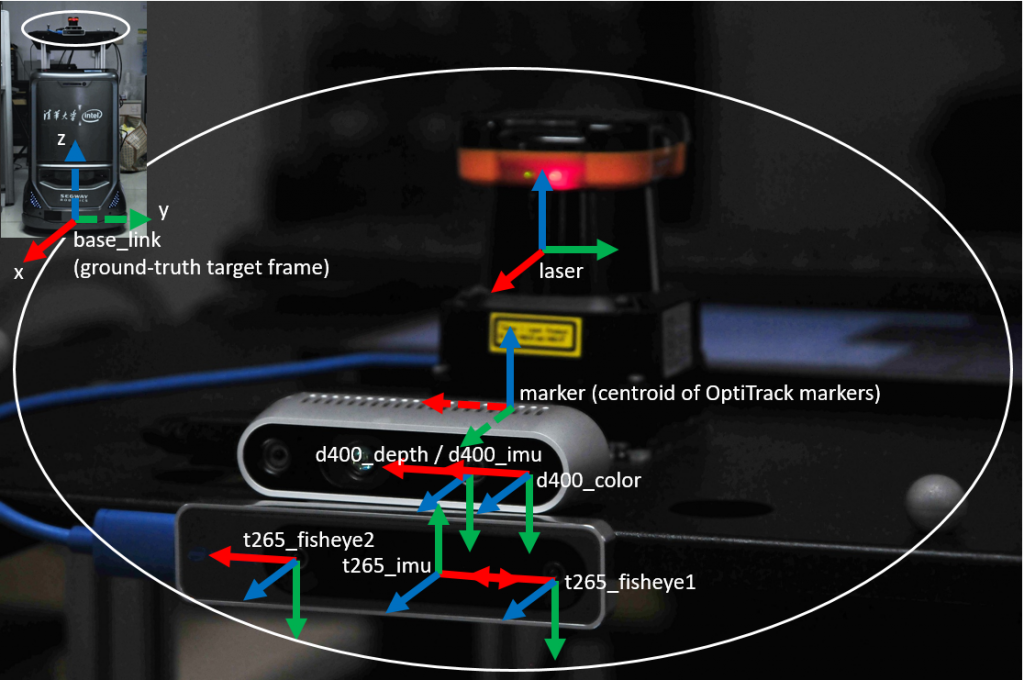
This project aims to develop our AHA software model of the Complementary Learning Systems (CLS) paradigm so that it can memorize and recall episodes in time. Whereas the original AHA model memorizes and forgets a minibatch of samples every time it is used, this modified version will memorize instantly and forget slowly, allowing time for selective replay and consolidation into long-term memory. The model will be tested on video scenes from the OpenLORIS mobile robot scene dataset.
The project developed into Continual Few-shot Learning. The use of replay to improve learning of general classes and specific instances, after only a few examples. See the preprint.
Episodic Memory (2018-2019)
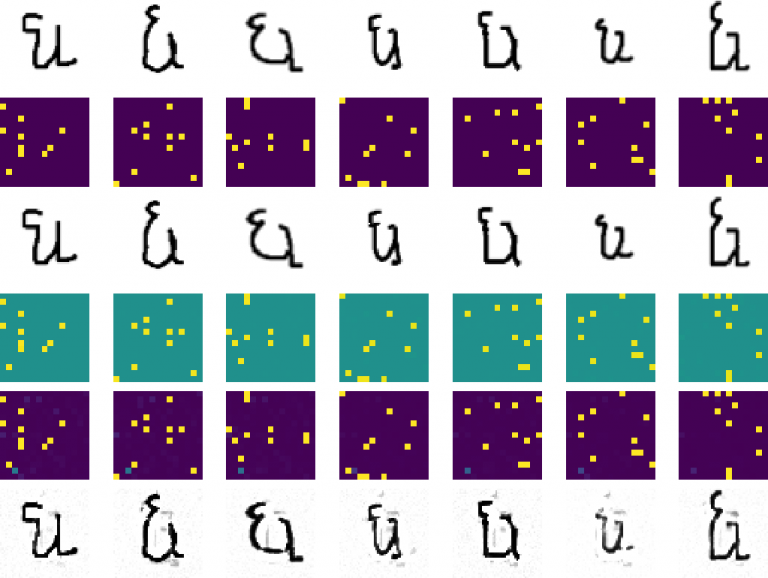
Imagine trying to accomplish everyday tasks with only a memory for generic facts – without even remembering who you are and what you’ve done so far! That is the basis for most AI/ML algorithms.
We’re developing a complementary learning system with a long term memory akin to Neocortex and a nearer term system analogous to the Hippocampi.
The objective is to enable “Episodic memory” of combinations of specific states, enhancing the learning and memory of ‘typical’ patterns (i.e. classification). In turn enabling a self-narrative, faster learning with less data and the ability to build on existing knowledge.